Open kitchens are a staple in modern design. Everyone loves the bright and airy feel, enhanced by multifunctionality. Yet, many prefer their heavy cooking zone and all messes and odors to be behind closed doors.
This guide explains the difference between open vs closed kitchen layout. Based on this, you can decide which fits your needs.
Open Kitchen Pros and Cons
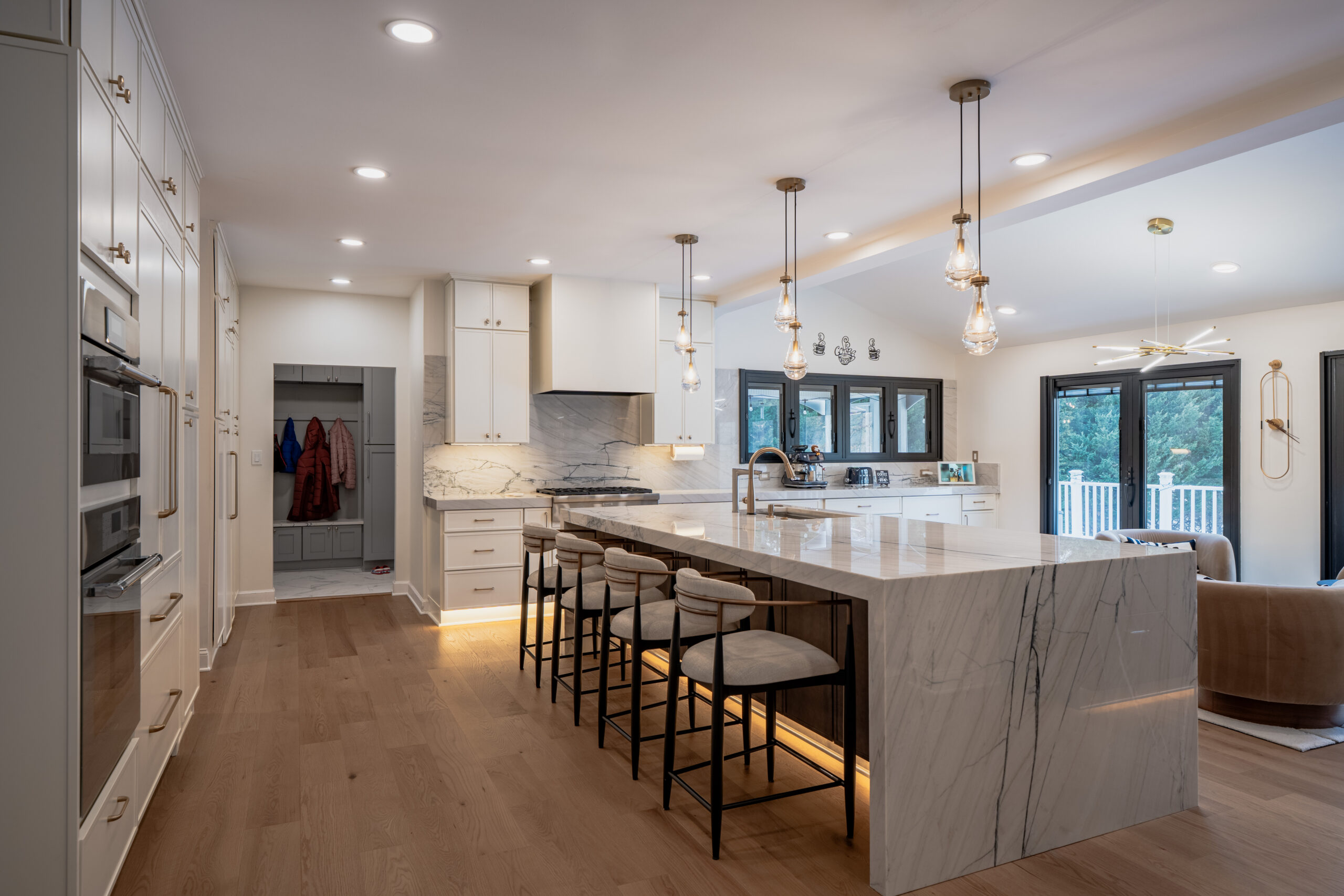
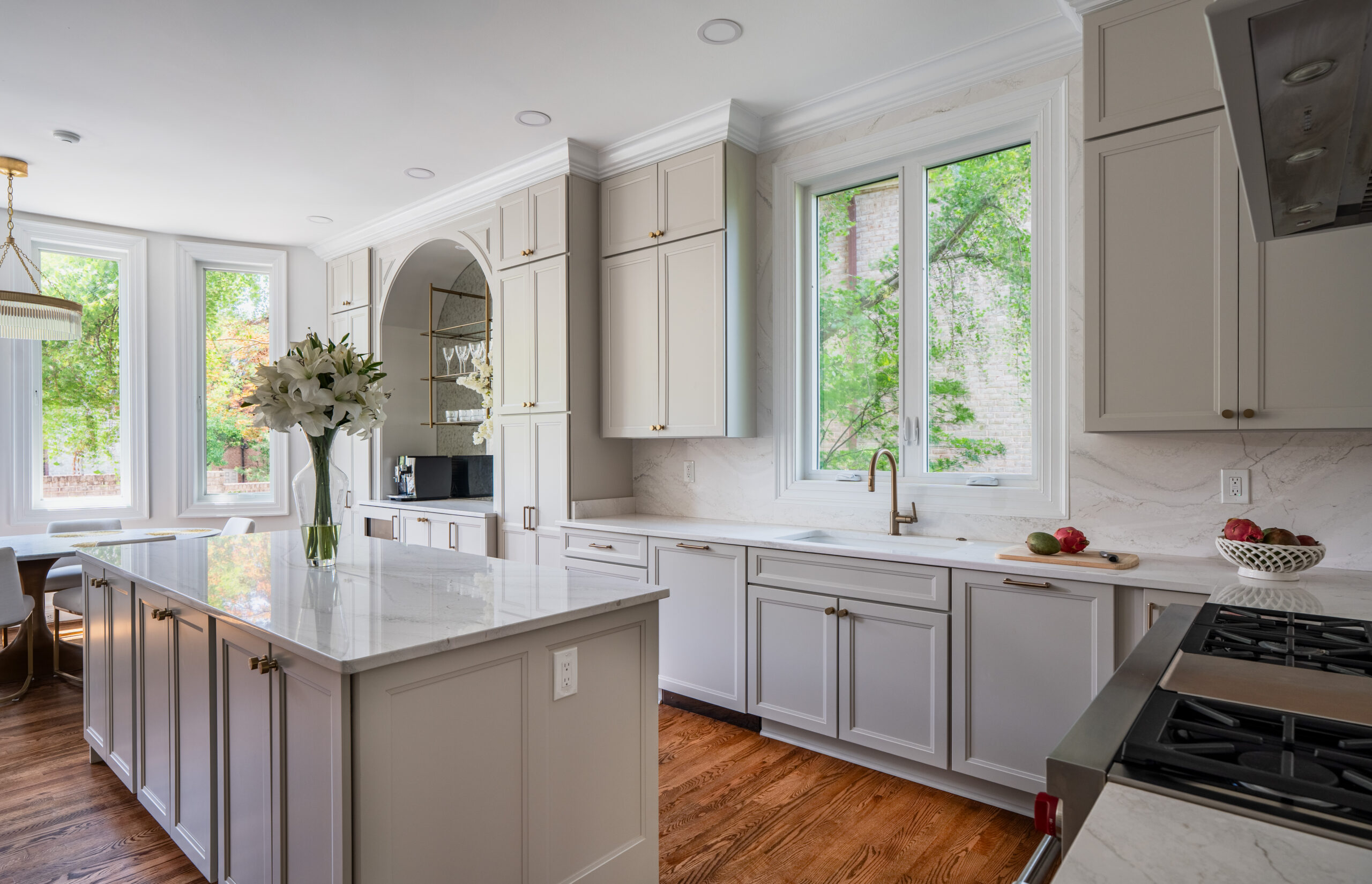
An open kitchen feels airy and bright. At the same time, it provides enough space for social gatherings. However, the openness leads to odors and a lack of privacy.
We share the open concept kitchen pros and cons so you can make an informed decision that suits your lifestyle.
Pros
- Large space for entertaining
- Easy supervision of children
- Improved light distribution
An open plan kitchen has minimal walls and partitions, creating an open space. The kitchen blends into the living room and dining room, creating a large area. This is ideal for large families and social gatherings.
Also, an open concept kitchen layout allows parents to supervise children. They can prepare meals while the kids can do their homework or play. So this layout is ideal when families want to spend time together and create memories.
One important aspect of open layouts is the enhanced light. Having no walls lets the natural light disperse through the space, making it airy and bright. Plus, this helps make small homes visually larger.
Cons
- Odors spread easily
- Mess is visible
- No privacy
When discussing the open kitchen pros and cons, many homeowners complain about odors. The food smell quickly moves through the open space and can linger for hours. So you may need an industrial-grade range hood to remove odors. Despite being expensive, these are very noisy.
The second disadvantage is that the mess is always visible. Dirty dishes and cluttered countertops might not be a pleasant sight, so regular tidiness becomes a must.
Lastly, an open space provides no privacy. We have seen this with the rising popularity of working from home. For example, one of our clients didn’t have an extra room for a home office. So they placed a desk in the living room. Every morning, the wife had her Zoom meetings, while the husband would make coffee, unload the dishwasher, and prepare breakfast. There was no way to block the normal kitchen sounds.
Closed Kitchen Benefits
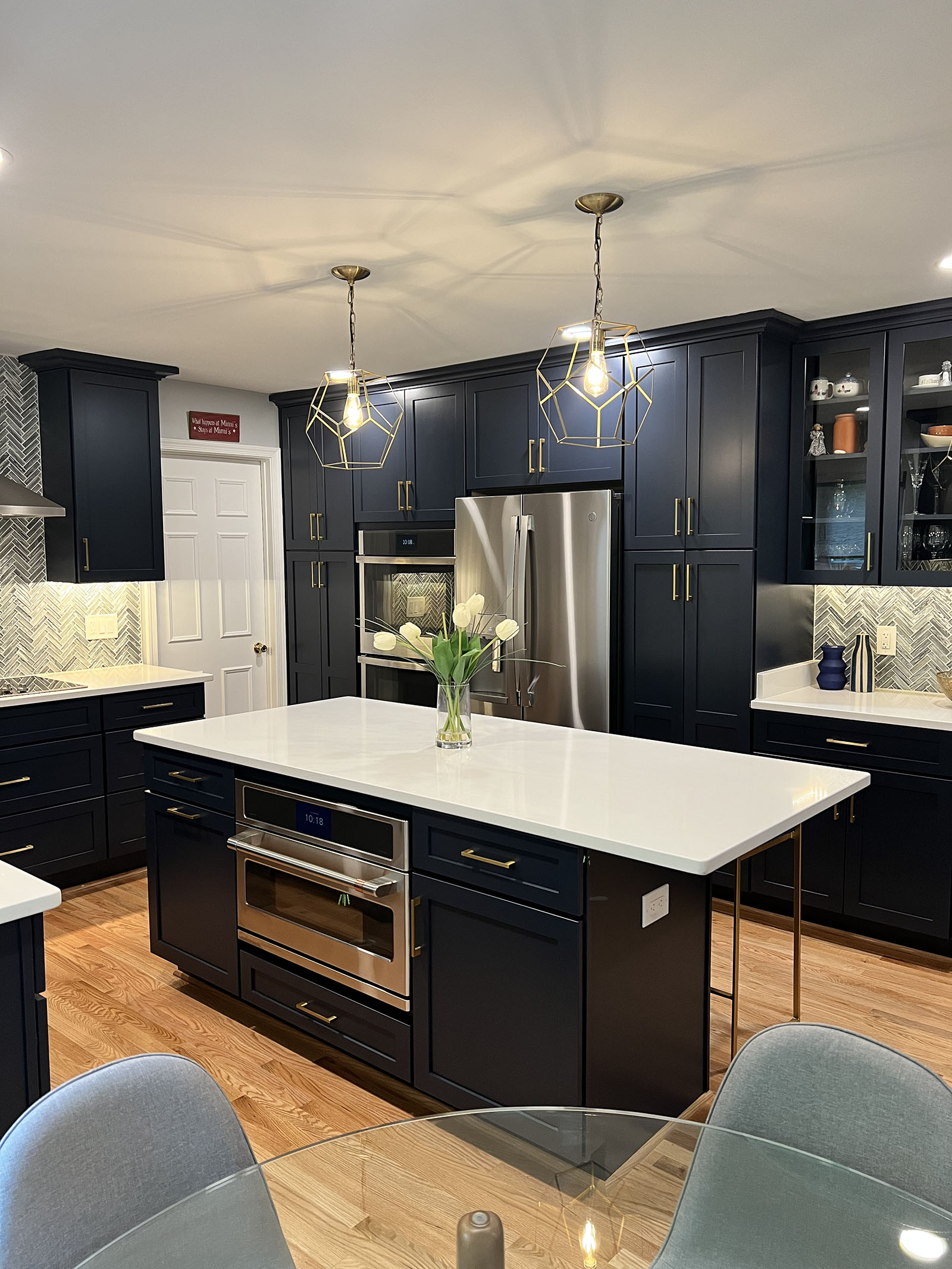
A closed kitchen uses walls and a door to create separate spaces. The kitchen is functional and out of sight, so the aesthetic won’t be a main focal point.
Pros
- Smells and noise stay contained
- Less pressure to keep the kitchen spotless
- Design choices are out of sight
A closed space is ideal for home cooks and families that rely a lot on homemade foods. The traditional kitchen design ideas focus on function. The odors and noise are contained, so you don’t have to worry that your living space smells like today’s dinner.
Closed kitchens are dedicated cooking zones, so you aren’t pressured to keep it spotless. Just close the door, and the guests won’t see a thing.
Actually, design decisions don’t make an impact on the rest of the home. You can feel free to experiment with bold colors and choices. Plus, there’s less pressure for visual perfection. The function is what matters, so you don’t need high-end finishes.
Cons
- The kitchen is smaller
- Feels isolated
- Lack of light
Closed kitchens are smaller and don’t provide space for family gatherings. Plus, it feels isolated from the rest of the home.
Unless you invest in good lighting or have ample natural light, the closed space can feel cramped. However, homeowners can consider solutions like glass doors or large pass-through windows to make them brighter.
Kitchen Layout Comparison
When talking about kitchen layouts, there’s no one-size-fits-all answer. The kitchen remodel planning process depends on your lifestyle and preferences.
Cooking Needs
The kitchen layout depends on your cooking needs. Homes with heavy cooking often go for a closed concept.
If you prefer simple meals and socialization, an open plan works better.
People
The number of people in a household is an important factor. Large families with children prefer open plans for streamlined movement. Singles or couples may prefer a closed kitchen.
Noise
Noise is another important thing to consider. It can be disruptive when someone is working or studying in the living room.
Storage
Storage can be challenging for open-plan kitchens. When everything is visible, you would want to provide smarter storage to prevent clutter. Think of tall cabinets and built-in pantries as great design solutions to complement the streamlined look.
Resale value
Many homeowners consider the resale value when doing a kitchen layout comparison. Open kitchens are modern and trendy. But in traditional markets, closed kitchens appeal to potential buyers. It is important to research the market if you’re worried about the ROI of your upgrade.
Modern Kitchens: Mix of Open Layouts and Functionality
In the modern real estate market, open-plan kitchens are a default choice in most new builds and renovations. Buyers, developers, and architects favor open spaces because they reflect modern living.
Shared Spaces
The kitchen is more than just a cooking zone. For modern households, it is where homework is done, guests gather, and online meetings take place. The open layout supports the multifunctionality.
In modern kitchen design trends, a large kitchen island replaces the formal dining table. It is a spot where families dine and host casual gatherings. A closed kitchen typically can’t accommodate that.
Real Estate Value
Open layouts are a selling point in a competitive market. When buyers walk into a home, they look for openness. Walls and partitions may feel dated. Developers know the current buyer demand and build open kitchens as the standard configuration.
Illusion of a Visually Larger Space
Urban houses and apartments have smaller footprints. As homes shrink in size, designers look for ways to make them look visually larger. Removing walls creates the illusion of a larger space. Plus, this means more natural light, better ventilation, and flexible furniture placement.
Cost and Budget
The kitchen layout impacts the overall cost of your remodel. The small kitchen remodel cost is between $15,000 and $30,000. Layout changes add significantly to the cost.
Open Kitchens
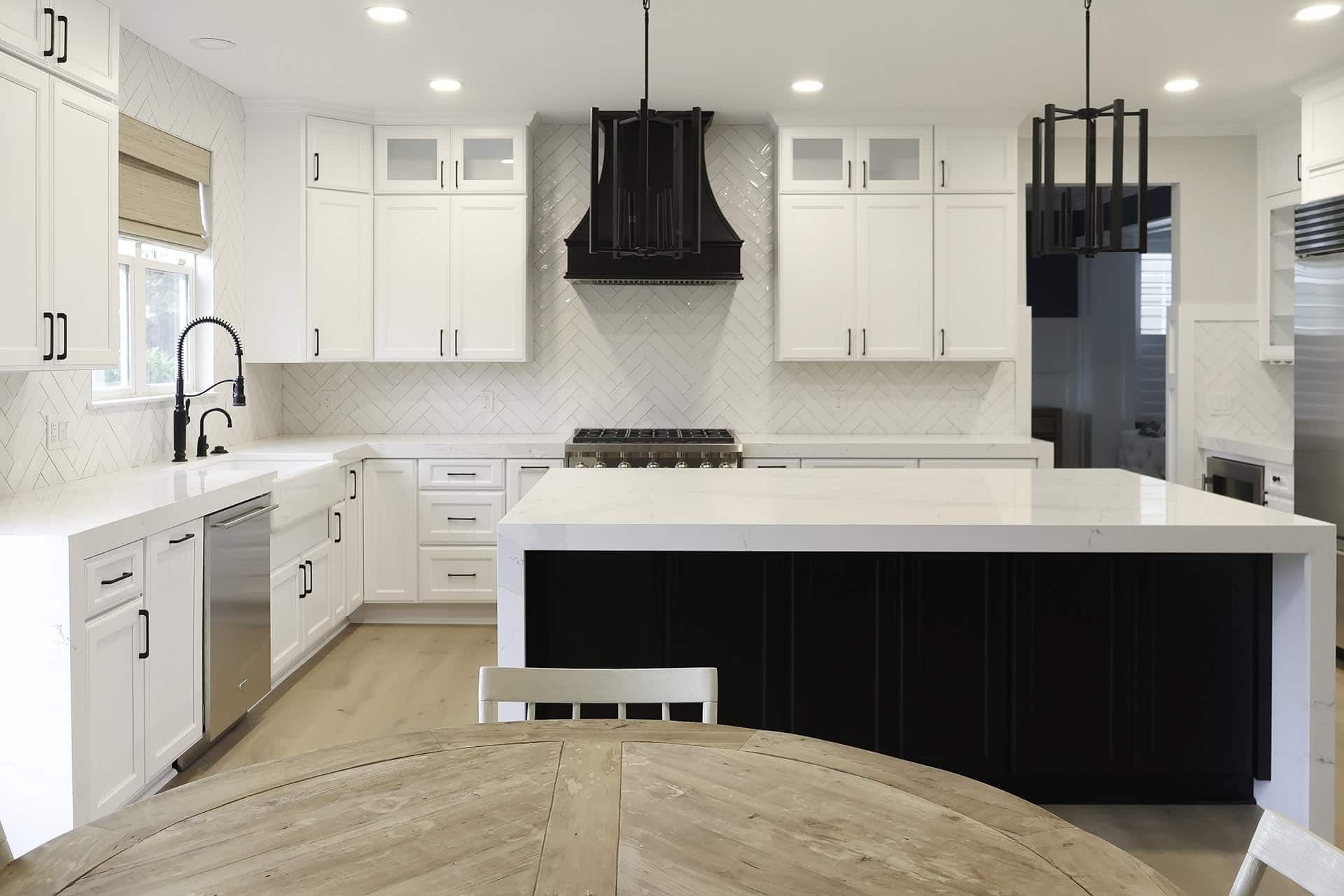
Opening up a small kitchen includes removing walls. Depending on the structure, this may require an engineering assessment, support beams, and electrical and plumbing adjustments.
Since the kitchen is fully visible, homeowners may also want to upgrade the finishes and flooring.
Closed Kitchens
Keeping the closed layout costs less, since there are no structural modifications involved. The remodeling cost includes the cabinetry, appliances, lighting, and finishes. On the other hand, there is less pressure to invest in high-end finishes since they aren’t visible from the living room.
Final Take
Open kitchen layouts are ideal for casual entertaining, hybrid work, and multi-use spaces. However, they require organization and proper planning. On the other hand, closed kitchens are still practical for heavy cooking.
Planning your kitchen remodel? Our professional team will help you create a space that aligns with your needs. Contact us now!