
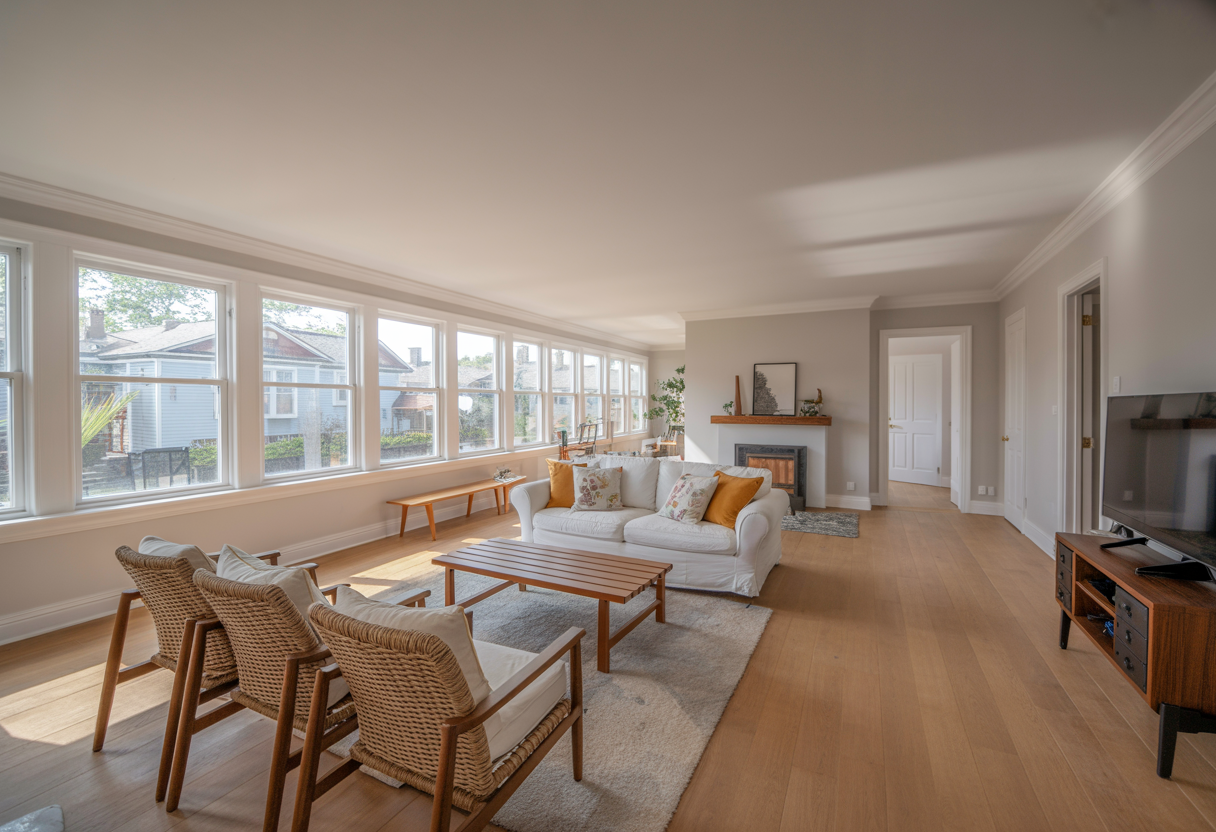
In many Washington, DC homes, the original layout no longer fits the family’s needs. Spaces that once felt comfortable now feel cramped. As children grow and people work from home, they require privacy. Relocation is often not an option, as families prefer to stay in familiar neighborhoods.
A well-planned home addition in Washington DC is a practical solution. Homeowners can add extra livable space without moving.
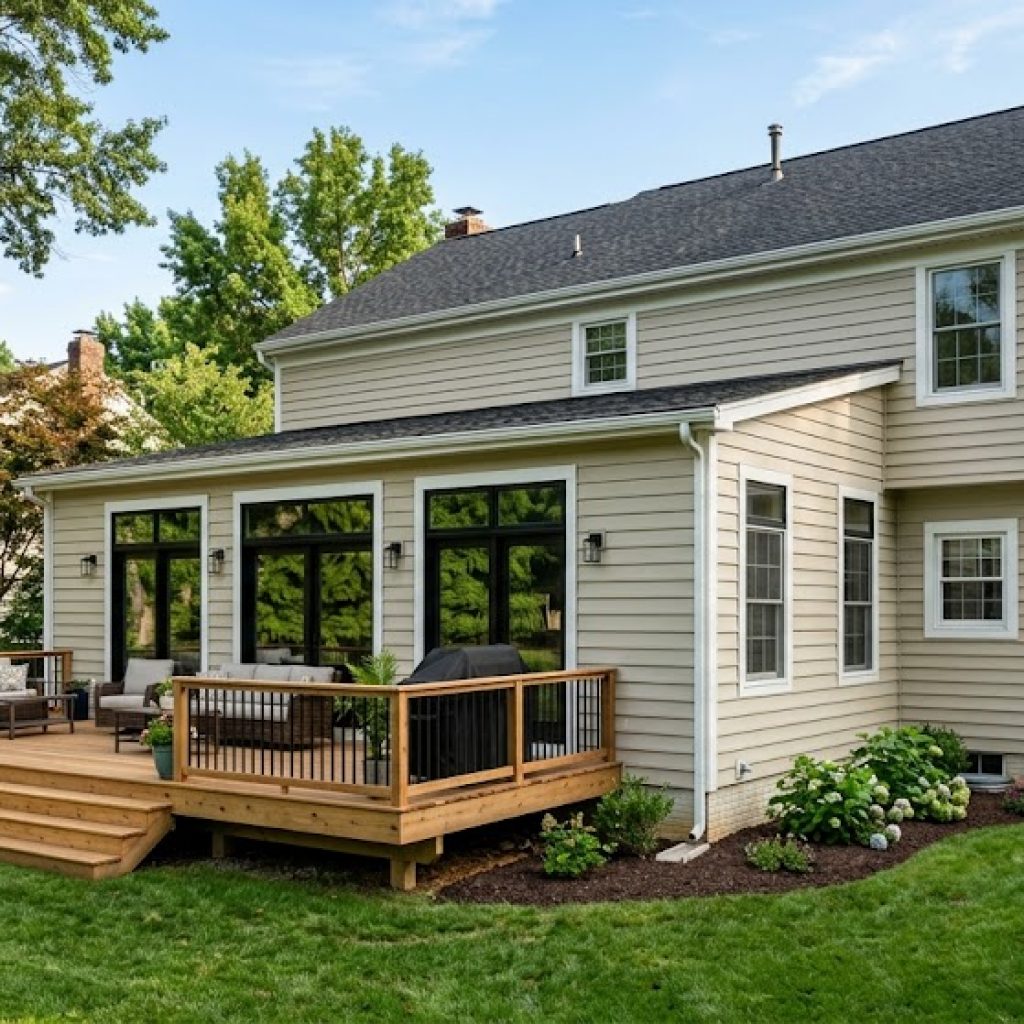
However, the process can be complex. Homeowners struggle with permits, building codes, finding reliable contractors, and proper planning.
Why Consider a Home Addition in Washington, DC?
In a city like Washington, DC, moving isn’t always the best option. Many homeowners purchase a property for the location. For some, it is the proximity to work and school. For others, it is the established neighborhoods.
A thoughtful home addition enhances comfort and increases your property’s value. A growing family may need an additional bedroom. Remote work calls for a dedicated home office. The shared spaces feel cramped. Plus, storage can be a problem for many.
These changes happen gradually. One day, you realize your home feels less functional than it used to be.
Selling and buying a new property in DC comes with hassles. Higher property prices, agent fees, closing costs, and potential renovations deter homeowners from doing this.
At this point, homeowners have two options: moving or expanding. Room addition Washington, DC is a balanced option for many.
A home addition increases the usable square footage and resale value. An additional bedroom, larger kitchen, or living space makes a house more appealing to potential buyers.
Cost of a Home Addition in DC
The cost of a home addition in DC ranges between $100,000–$300,000. It depends on the type, materials, labor, and structural complexity.
Building a second story costs $300–$500 per square foot. Building out costs less, about $80–$200 per square foot.
Building an additional bathroom costs between $80,000 and $200,000 or more if using high-end materials. A kitchen can exceed that, ranging from $150,000 to $350,000.
Other rooms tend to cost less. A bedroom or living room is a budget-friendly option, costing $20,000–$45,000 or more.
When it comes to resale value, not all additions affect it in the same way. Research from the National Association of Home Builders shows that expanding usable square footage and adding bathrooms deliver the strongest return. A full bathroom can increase home value more than an additional bedroom. This confirms that functionality matters more than square footage.
Home Expansion Ideas
A successful room addition in Washington, DC is not only measured by the square footage. The usability of that space is what truly matters. DC homes come with so many challenges. The structural limitations and compact lots require efficient use of space.
Homeowners should start the planning process with the problem that this addition is going to solve. The extra space should improve everyday living.
Function
Not all home additions focus on adding a room. Instead, the goal is to improve functionality. A small kitchen bump-out improves the traffic flow.
A new addition may change the existing layout. So homeowners need to ensure the new room is seamlessly connected to the rest of the home.
Rear Extensions
A rear extension is a common solution for DC’s rowhouses. Homeowners want to extend the back by a few feet to get extra space. Some prefer a larger kitchen, while others need a combined kitchen and dining area.
For example, the narrow DC rowhouse kitchen was extended 8 feet. This allowed for full-size appliances, better cabinet layout, and a dining nook. What used to be a cramped space is now a casual dining area for the family.
Second-Story Additions
In some homes, expanding outward isn’t possible. So building a second story becomes an option. Second-story additions are ideal for adding bedrooms and bathrooms.
However, homeowners should know that this is a complex project. The roof is removed, so the project takes time and is more disruptive. Structural reinforcement is often required, as older DC homes were not designed to carry additional load.
Basement Expansions
Basements in DC have low ceilings or outdated layouts, leaving them underutilized. However, this space has real potential. Underpinning is an optimal solution, lowering the basement floor to make the space taller. Expansion is another popular choice to add extra square footage.
A finished basement is ideal for an additional bedroom, home office, or entertainment area. Also, it can be a rental unit where permitted, providing an additional income for the family.
In-Law Suite
In a city like Washington DC, an in-law suite is a smart addition. This space comes with a private entrance, a small kitchen, a bathroom, and a separate living area. It is an independent unit that can accommodate extended family, guests, or tenants.
The planning process is challenging, but your contractor will guide you through it. The plumbing, electrical systems, and ventilation need to work independently. Soundproofing is important in attached rowhouses.
Another thing to keep in mind is the zoning laws in DC. The local regulators determine if an accessory dwelling unit (ADU) or rental space is allowed. Additional requirements must be met, such as ceiling height, egress windows, fire separation, and occupancy rules.
Not paying attention to these details may lead to costly redesigns later. Reliable contractors already have experience building in-law suites, so they will handle the compliance.
Sunrooms
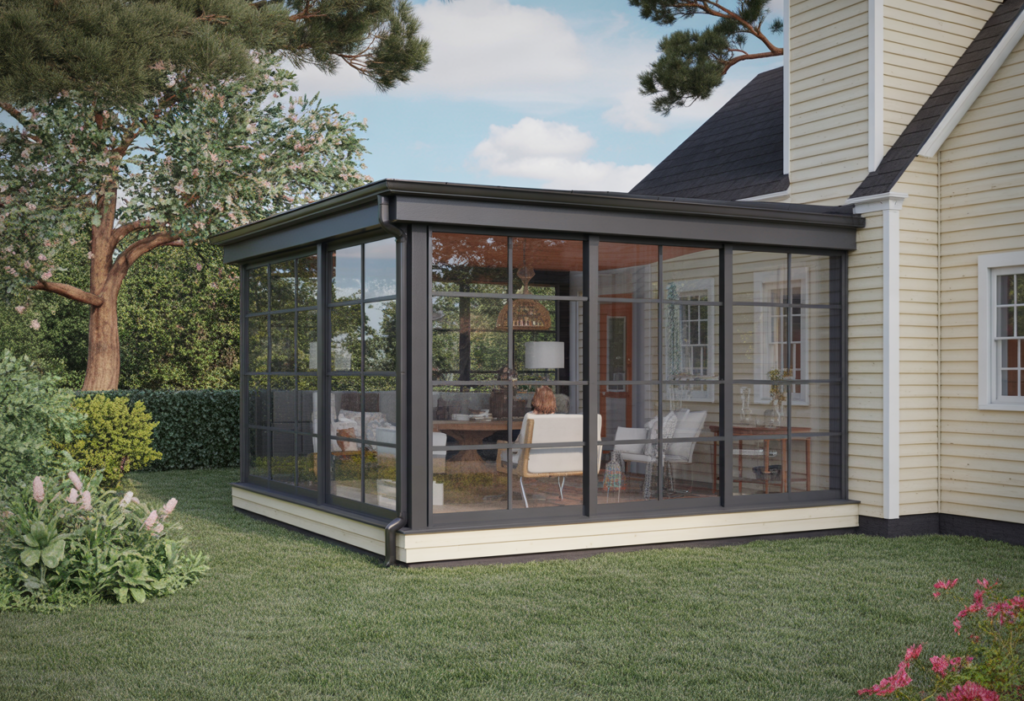
Sunrooms create a seamless transition from indoors to outdoors. They are designed to bring ample natural light into the home. In Washington homes, they’re often added at the back of the property.
Homeowners often enjoy their morning coffee or relax in the sunroom. The large glass panels provide natural light while keeping the space protected from the weather.
But building a sunroom isn’t that simple. If you want to use it throughout the year, you need insulation and energy-efficient windows. For enhanced comfort, you may want to connect it to your home’s heating and cooling system.
Do I Need a Permit For a Home Addition in Washington, DC?
Yes, you are required to obtain an Addition, Alteration, and Repair Permit for home addition in Washington, DC. It is mandatory for any expansion that increases the property’s footprint, height, and layout. You can’t start construction until you have the permits.
For projects under 1,000 square feet, DOB review can be as quick as 1 business day. Large projects take more time. For timely review, you must submit the required documents.
Final Thoughts
A home addition in Washington, DC is an investment in long term value. The right contractor helps with planning, construction, and permits, creating a space that fits your needs.
Do you want to create a functional space and increase the resale value? Contact us now and find out more about our services!
https://shorturl.fm/iHuBX
https://shorturl.fm/7zUzj
https://shorturl.fm/etHMe
https://shorturl.fm/Ktsem
https://shorturl.fm/6xmIp
ok
I’m often to blogging and i really appreciate your content. The article has actually peaks my interest. I’m going to bookmark your web site and maintain checking for brand spanking new information.
https://shorturl.fm/s1lZs
https://shorturl.fm/rMztn
https://shorturl.fm/cmCNP
https://shorturl.fm/Triqk
https://shorturl.fm/rDFqf
https://shorturl.fm/wxMsv
https://shorturl.fm/3rlxw
https://shorturl.fm/v2xTT
https://shorturl.fm/8SpDv
https://shorturl.fm/vO8Dx
https://shorturl.fm/70nJ6
https://shorturl.fm/sT2hd
https://shorturl.fm/cYTKn
https://shorturl.fm/iRxm2
https://shorturl.fm/Ptclo
https://shorturl.fm/NeYbJ
https://shorturl.fm/GuJLW
https://shorturl.fm/QKdwy
https://shorturl.fm/MtDaj
https://shorturl.fm/sfeYq
https://shorturl.fm/79gjc
https://shorturl.fm/OqpDI
https://shorturl.fm/brAjC
https://shorturl.fm/Bj9tX
https://shorturl.fm/CADOg
https://shorturl.fm/Gnyxv
https://shorturl.fm/L0uU1
https://shorturl.fm/kTxPY
https://shorturl.fm/yYJSL
https://shorturl.fm/zcYXq
https://shorturl.fm/dvwrB
https://shorturl.fm/xoJOX
https://shorturl.fm/Hjpen
https://shorturl.fm/ikZeT
https://shorturl.fm/VGxuc
https://shorturl.fm/z48ga
https://shorturl.fm/EujmO
https://shorturl.fm/wCtTr
https://shorturl.fm/H9Heq
https://shorturl.fm/Q5bD1
Konular mükemmel olduğu gibi site teması da içeriğe müthiş uyum sağlamış. Tebrikler
Faydalı bilgilerinizi bizlerle paylaştığınız için teşekkür ederim.
very informative articles or reviews at this time.
This is really interesting, You’re a very skilled blogger. I’ve joined your feed and look forward to seeking more of your magnificent post. Also, I’ve shared your site in my social networks!
I’m often to blogging and i really appreciate your content. The article has actually peaks my interest. I’m going to bookmark your web site and maintain checking for brand spanking new information.
I’m often to blogging and i really appreciate your content. The article has actually peaks my interest. I’m going to bookmark your web site and maintain checking for brand spanking new information.
very informative articles or reviews at this time.
https://shorturl.fm/MujhG
https://shorturl.fm/MujhG
https://shorturl.fm/M3W8K
https://shorturl.fm/5Lqoe
https://shorturl.fm/dGG1x
https://shorturl.fm/jLfPI
https://shorturl.fm/S3dSG
https://shorturl.fm/5JYaS
Phim Sex – Tổng hợp phim sex Việt Nam – GaiDamVL
https://shorturl.fm/PQjM5
https://shorturl.fm/yU44P
Hi there to all, for the reason that I am genuinely keen of reading this website’s post to be updated on a regular basis. It carries pleasant stuff.
https://shorturl.fm/XoZZj
https://shorturl.fm/QRSVr
https://shorturl.fm/YI6gr
https://shorturl.fm/tqjff
https://shorturl.fm/DAKWf
https://shorturl.fm/Bkc9N
https://shorturl.fm/sEt6C
https://shorturl.fm/XOiKX
https://shorturl.fm/8YQzQ
https://shorturl.fm/xEgLj
https://shorturl.fm/L7Z2q
https://shorturl.fm/qJeYR
https://shorturl.fm/I7nuF
https://shorturl.fm/y5IsL
https://shorturl.fm/7pOaZ
https://shorturl.fm/WN9EI
https://shorturl.fm/CUqc2
https://shorturl.fm/oW7UH
https://shorturl.fm/9q1c1
https://shorturl.fm/D0U3p
https://shorturl.fm/o0AFd
https://shorturl.fm/eScX3
https://shorturl.fm/cMwJ4
https://shorturl.fm/NHs7z
https://shorturl.fm/rPprD
https://shorturl.fm/WPn1g
https://shorturl.fm/WLF1S
https://shorturl.fm/v75CY
https://shorturl.fm/3KLIL
https://shorturl.fm/76TGz
https://shorturl.fm/IBTGv
https://shorturl.fm/tGbDb
https://shorturl.fm/APzME
https://shorturl.fm/XKvo8
https://shorturl.fm/9swDY
https://shorturl.fm/hML9x
https://shorturl.fm/yv22i
https://shorturl.fm/UhXKz
https://shorturl.fm/98pmJ
https://shorturl.fm/LA1eL
https://shorturl.fm/P4Dvt
https://shorturl.fm/yCmnK
https://shorturl.fm/kUz6o
https://shorturl.fm/KgROa
https://shorturl.fm/7JWh3
https://shorturl.fm/99o36
https://shorturl.fm/q39ph
https://shorturl.fm/tK57W
https://shorturl.fm/ImykG
https://shorturl.fm/Ie6F2
https://shorturl.fm/SNe6D
https://shorturl.fm/q2Yn5
https://shorturl.fm/q2Yn5
https://shorturl.fm/NZYYm
https://shorturl.fm/hxITw
https://shorturl.fm/sAkfh
https://shorturl.fm/wf5wY
https://shorturl.fm/zkll3
https://shorturl.fm/H30pM
https://shorturl.fm/gC1ny
https://shorturl.fm/EeCwd
https://shorturl.fm/lh2c3
https://shorturl.fm/LS3B9
https://shorturl.fm/UjYj6
https://shorturl.fm/PB8ok
https://shorturl.fm/MSRrJ
https://shorturl.fm/1CoVT
https://shorturl.fm/Nuvuu
https://shorturl.fm/3VSgY
https://shorturl.fm/yt2ex
https://shorturl.fm/kJZNN
https://shorturl.fm/UjYj6
https://shorturl.fm/KDvrk
https://shorturl.fm/SOrah
https://shorturl.fm/KnmJw
https://shorturl.fm/xVJtl
https://shorturl.fm/CO8PD
https://shorturl.fm/AH2ui
https://shorturl.fm/QsxM8
https://shorturl.fm/ZfC15
https://shorturl.fm/w1T95
https://shorturl.fm/1A89o
https://shorturl.fm/akIps
https://shorturl.fm/DnVeq
https://shorturl.fm/TFKDG
https://shorturl.fm/2ur1z
https://shorturl.fm/R55Zd